Thursday, 13 June 2024

Are Miracles Real?

This is the slip that spotted after six years!

Lately I have been witnessing strange things that force me to question the very concept of miracles. How often is a coincidence too good to be just a coincidence? Looking at the mathematical law of probabilities, is there a law that  might rule out a probability and thus a possibility of it being a miracle, if no something that defies the predictability of the Physical world?

So where do I start with? Perhaps I should start with the latest incident. Well, as you might have guessed, I  am a book worm and love to read books. As such, I have been a member of the British Council Library for  ages. Just yesterday when I picked up one of the books I had gotten issued in my name, titled Last Man Off a true story of adventure and grit by Matt Lewis, I came a across as slip of paper that is issued by the library when you check out books. At first I was on the point of slipping it away in between some of the pages, but then curiosity pricked me and I looked at is closely. To my shock, it was a slip dated 24/11/2018, a good six years back. But what was even more surprising was that it was issued in my name!

That slip had been waiting all those years for me to come across it! Was it possible that no one had gotten the book issued in all those years, and that that book in itself had waited for me to pick it up again after six years because I had probably returned it all those years ago without reading it? And as I continue to read the book, I keep wondering if this ‘coincidence’ might perhaps not have a deeper meaning for me? But then this is not all! There was another incident that happened three months ago which defies any rational explanation!

So it happened that I was returning home from work and on the way I stopped to fill my bike’s tank with petrol. As usual everything went on well till when I reached home and I patted my pockets, I realised that my wallet was missing! I got myself into a state and immediately informed my wife that I had misplaced my wallet and that I was going to retrace my route right till the petrol station as I felt that I might have dropped it there.

I hoped beyond hope that one of the petrol pump attendants might have kept the wallet for safe-keeping. As I was on my way, my mobile kept ringing and I had to stop to answer the call. I was surprised to see that the person who had called me was my banker who had just opened a new bank account for me. He asked me whether I had lost my wallet and when I answered in the affirmative, he told me that he had been contacted by someone who had picked up my wallet. He gave me the person’s phone number. When I called up the ‘Good Samaritan’s’ phone, he called me to a location close to my home. I rushed to the location and there he was smiling at me. When I met him he told me that my wallet had flipped out of my pocket while I was riding my bike and that he had picked it up for safe keeping. 

Now what makes everything even more interesting is how he was able to send a message across to me. My wallet did not have my mobile number, nor did it have any of my family members’ phone numbers. It had, however my bank’s debit card and so using the information on the debit card he was able to contact my banker and the latter was able to contact me thereby. Some of these things seem to defy rationality. In most cases, a lost wallet is never returned to its owner.

Manifestations do occur, and I am sure there was much more behind these two incidents which ensured that I got hold of a slip of paper with my name the book I had returned without reading, or for that effect my wallet that contained important documents. You must be wondering after all this whether the person who had found my wallet expected a reward. Well the answer is that I offered him all the cash that I had in my wallet, which, of course, he refused!

We live lives that have such predictable routines that it often comes as a surprise when something out of the blue happens. Modern life with all its gadgets, internet, Artificial Intelligence and computers has become so systematic and fixed in its pattern that we have become blinded to the possibility of miracles taking place in life, we have blocked ourselves from  hope,  and positivity. Evidences suggest that there more to life than computers, and artificial intelligence and we all need to understand that miracles do exist, hope is alive, and there is a lot of essence in positivity and optimism. Somehow, after the initial shock of losing my wallet I was calm and confident of getting back my wallet in spite of the Mathematical probability of not getting it. 

It is unfortunate that many of us are wallowing in pit of cynicism and helplessness, often thinking of the worse when in most cases it is the opposite. Think positive if you want your life to be filled with positivity. Life is full of magic, miracles and pleasant surprises waiting to be discovered!

This is the book that had to be read!


Thursday, 6 June 2024

Shrinking Wetlands find fewer airborne visitors in Gurgaon


This photograph was taken two years ago at the now-defunct Basai Wetland.

Last week when I visited the Najafagarh Lake from the Chandu-Budhera side, I was in for a great surprise! Out there in the distance were not less than four greater Flamingos. Spotting Greater Flamingos so late into the summer is most surprising. We all know Greater Flamingos are migratory birds that might be spotted during winter months in the northern plains of India. However, This article is not limited to Greater Flamingos but also about some of the larger birds that depend on wetlands for sustenance while wintering in India. It is pertinent to note that there has been a steady decline in the number of migratory birds visiting the remaining wetlands of Gurgaon over the past few years. The change in the environment has been rather drastic due to the rapid pace of development.

Greater Flamingos at the Najafgarh Lake-2024

Greater Flamingos spotted at the Najafgarh Lake in June-2024

Greater Flamingos at the Najafgarh Lake-2024


Greater Flamingos at the Najafgarh Lake June-2024

I have rarely spotted Greater Flamingos in Gurgaon. They were commonly spotted in what was once known as the Basai Wetland. Climate change and change in the ecosystem have resulted in drastically changed migratory patterns of birds. It is also important to note how disappearing wetlands, the rise in global temperature, and human developmental activities have affected wildlife in India.
Eurasian Spoonbills at the Sultanpur National Park-2024

Eurasian Spoonbills spotted at the Sultanpur National Park-2024

November and February are the usual months when Flamingos visit wetlands in India, like the  Chilika Bird Sanctuary. I have never spotted Greater Flamingos at the Sultanpur National Park. Wetlands are waypoints for migratory birds. Some of the late visitors, however, might visit the wetlands of Gurgaon as late as June. These birds are stragglers.

Eurasian Spoonbills have made the Sultanpur National Park their favourite wintering spot. I was able to spot a large number of Eurasian Spoonbills at the National Park. Unfortunately, the Sultanpur National Park is reeling under draught-like conditions and scarcity of freshwater sources. Human development activities have impacted biodiversity hotspots in and around Gurgaon.

Larger Native species of birds like the majestic Sarus Cranes, the pride of Gurgaon will soon be forced to migrate to other regions that have healthy thriving weltands. Food scarcity, draught-like conditions, and shrinking biodiversity hotspots are driving away some of the larger resident birds and migratory birds that visit the environs of Gurgaon.

Sarus Cranes Spotted at the Sultanpur National Park -2024

Larger birds have been affected by climate change and the reduction in the number of wetlands in the country. Among some of the larger bird species is a resident bird that thrives on wetlands, and these are Sarus Cranes. Sarus Cranes are waders and I have seen them feeding on Molluscs, Snails, Frogs, Crustasians, and seeds. Larger birds require a protein-rich diet to survive which can be supplied by wetlands that support a healthy ecosystem. By the end of 2023 and the beginning of 2024, I  spotted fewer Bar-headed Geese, although there were quite a few Greylag Geese at the Sultanpur National Park.

Greylag Geese spotted at the Sultanpur National Park in April 2024


Sunday, 12 May 2024

Celebrating Mother's Day at the Church of the Epiphany, Gurgaon

Sunday School Children at the end of the service

A Gathering of Mothers at the End of Mass

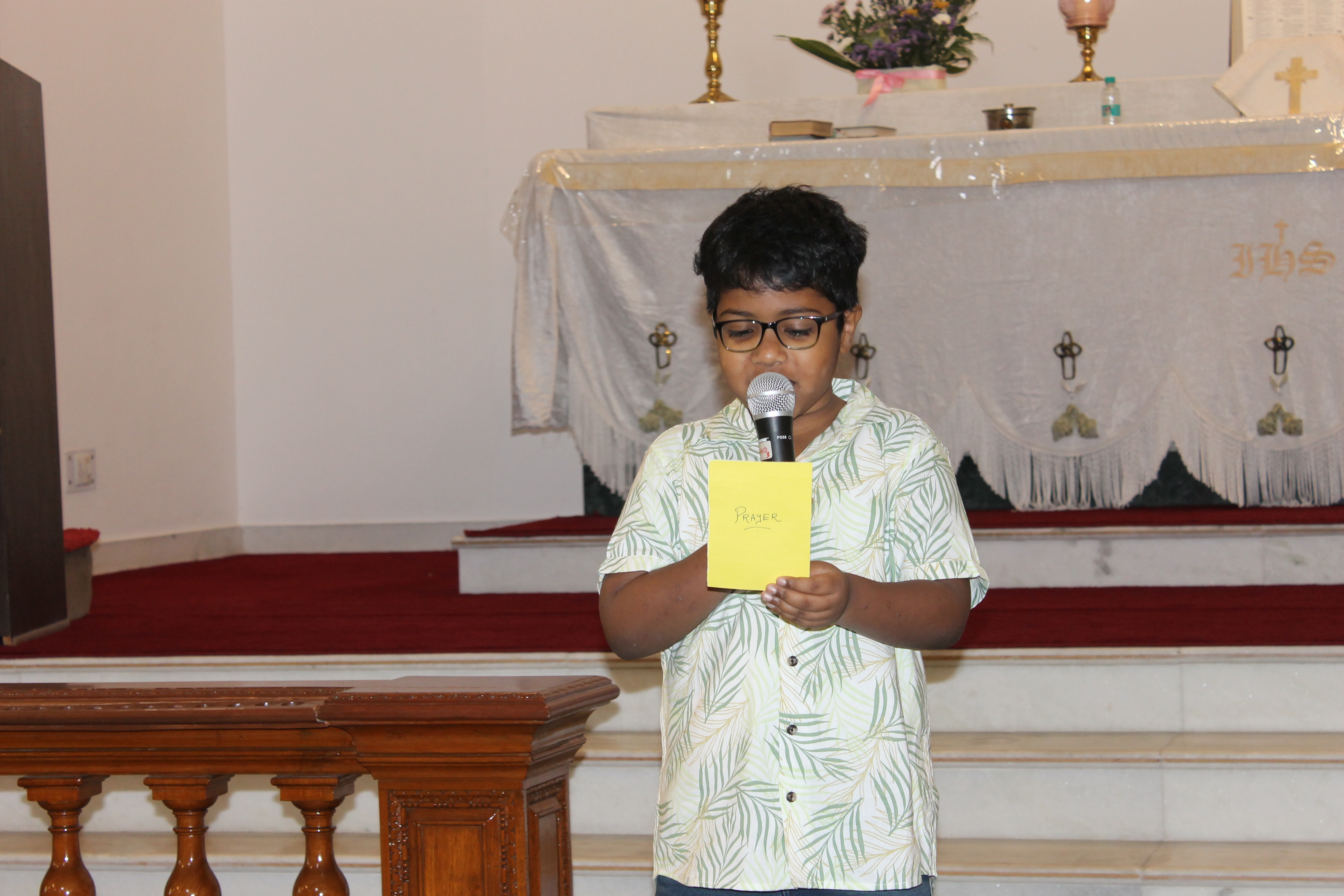
Mother's Day was celebrated at the Church of the Epiphany, Gurgaon as a special day with the Sunday School children reading out dedications to all the mothers in the world. The poems, hymns and presentations were simply amazing!


Revd. Mrs. Jyoti Pillai delivered a crisp and to-the-point message on Mother's Day, putting the congregation into deep thought.


A special thanks to Marion Aunty, and Bother Sunil Sannoo for organising an amazing Sunday Mass and of course, Revd. Prateek Pillai, the Presbyter in charge of the the Church of the Epiphany Gurgaon.


Saturday, 11 May 2024

Photographing Wildlife at a National Park


A Male Asian Antelope stands guard over the Does.

One of the greatest joys of a wildlife photography enthusiast is to get a few good pictures of wildlife that tell a story. Having more than those is like a treasure trove. Recently when I visited the Sultanpur National Park I was the first one inside the whole park. This proved to be a boon for me as I was able to spot a large number of birds and animals.


Spot-billed Ducks take to the air en-mass
Spot-billed Ducks in the air

Knob-billed Ducks attempt a takeoff

Perhaps the best part of having the whole National Park to myself was that I spotted the elusive Asian Golden Jackal. Of course, the Jackal was unaware of my presence as I was hidden in the bushes and the sun's direction helped a lot.

An Asian Golden Jackal on the way to feed its cubs

An Asian Golden Jackal looks at the camera with curiosity.

Photographing birds in flight can be tricky sometimes even having a shutter speed of 1/1200 might not give you the best possible results! That is of course in the case of photographing larger birds. I took these amazing photographs of Sarus Cranes taking off at a much slower shutter speed of 1/200, but then panning the camera and focusing on the birds' eyes gave me an amazing result! You might check out the results yourself.
A Pair of Sarus Cranes attempt a takeoff

It takes a lot of runway for Sarus Cranes to take off!


Sunday, 5 May 2024

Amazing Birds of Gurgaon - A comprehensive list

These graceful Sarus Cranes were spotted at the Sultanpur National Park

Gurgaon is a conundrum, balanced between what was once an old sleepy, town with an amazing ecosystem to what is today a dusty urban jungle where buildings have replaced trees, it once supported a vibrant ecosystem with vibrant wetlands, wild brushes, and grasslands and even lush green farmlands of wheat or mustard stretching into the distance. Now Gurgaon is driven by increasing demands for space to build up residential apartments. These activities are gradually eroding Gurgaon's capacity to host what was once a vibrant wildlife community.

These Bar-headed Geese were spotted at the Basai Wetland

A Heron skims over the Basai Wetland

Northern Shovellers at the Sultanpur National Park

Knob-billed Ducks at the Sultanpur National Park

Common Teal spotted at the Sultanpur National Park

Spot-billed Ducks, (commonly seen) at the Sultanpur National Park

A Eurasian Spoonbill in the company of an Egret 

Bar-headed Geese soar into the air at the Basai Wetland


We once had wetlands that hosted an environment that supported a wide diversity of life, including aquatic species. Today, the grasslands and wetlands of Gurgaon have been denuded of their efficacy in supporting a wide range of wildlife, both native and migratory. 

Silver bills are rarely spotted!

Silver bills are spotted on the outskirts of the city.
A Barbet at the Sultanpur National Park

This Wire-tailed Swallow was spotted at the Basai Wetland

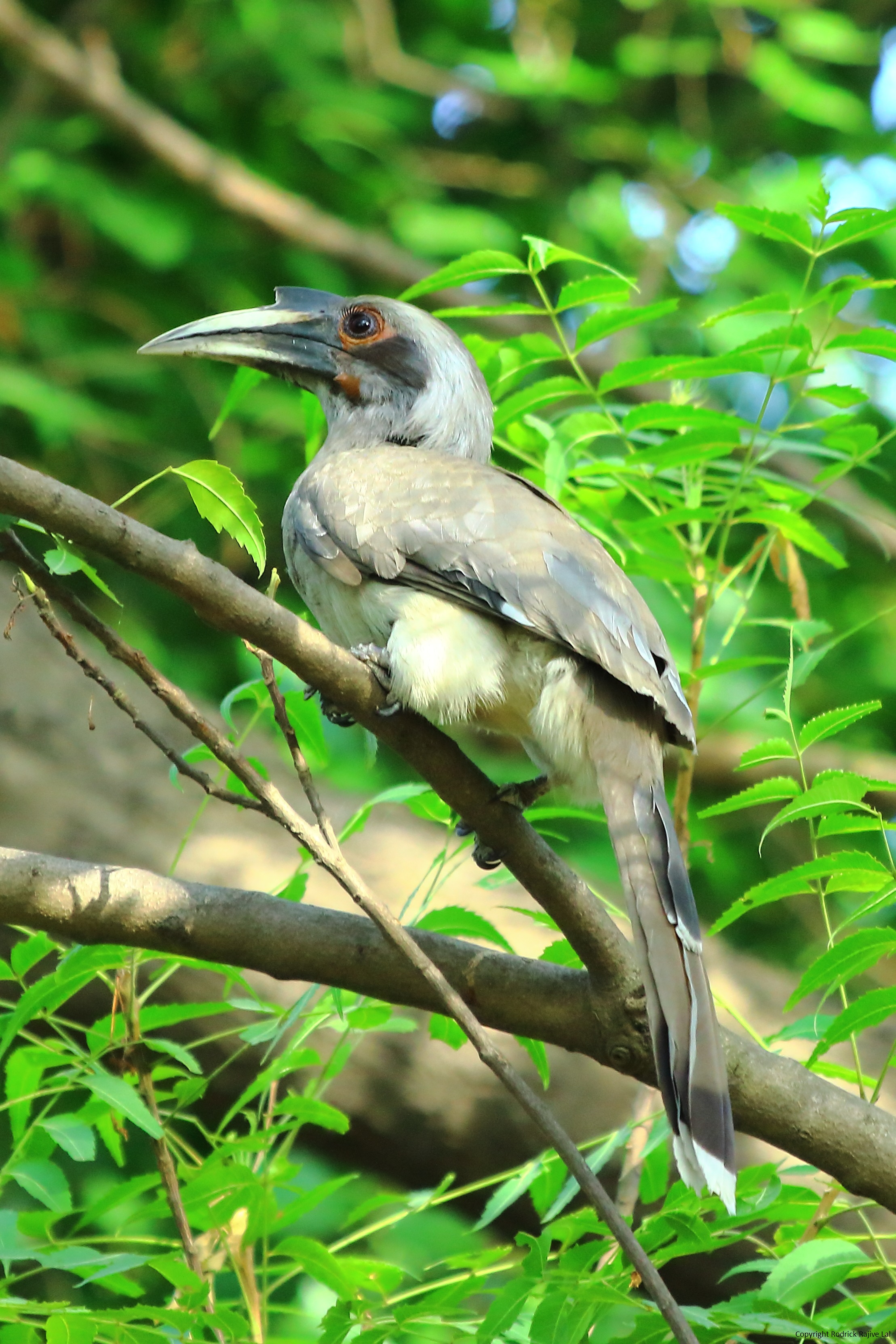
A pair of Hornbills spotted at the Sultanpur National Park

A couple of Red Naped Ibis were spotted at the Najafgarh Lake


A Hornbill spotted at the Sultanpur National Park


A Green Pigeon was spotted at Palam Vihar, Gurgaon

A Green Pigeon spotted at a school in Sector 62

A Barbet enjoys a breakfast of figs at Palam Vihar


One of the latest victims of development is the Basai Wetland. This biodiversity region once hosted a vibrant ecosystem that once provided space for native species of birds and migratory visitors of exotic birds worldwide. I have noticed a steady decline in the number of migratory birds in the region such as bar-headed geese. Greater Flamingos are very difficult to spot because they appear at the wetlands of Gurgaon for a brief period on the way to other more abundant wetlands. I had photographed a few Flamingos at the now-defunct Basai Wetland.

Flamingos soaring over the now-defunct Basai Wetland

Flamingos stick together

These Flamingos were spotted at the Basai Wetland

Gurgaon was once blessed with verdant grasslands, ample wetlands, and open spaces that provided ample spaces for wildlife to survive without being threatened by development activities. Today, however, empty spaces have been replaced by buildings that cater to an increasing need for space to build commercial spaces and residential units. Developmental activities have taken a toll on the wildlife that once teamed in the area. Development is like a double-edged sword and has impacted the city's ecosystem.

A Spotted Owl photographed at the Sultanpur National Park

The bunds once constructed in the late 1880s have disappeared and the entire landscape of Gurgaon has been altered drastically. Farmlands have been converted into sites for residential zones. The Aravalis are being steadily denuded of their forest cover and the ultimate victims are the wild birds and animals that once inhabited this rich biodiversity region.

Starlings are rarely seen! This one was spotted at the Basai Wetland

A Starling at the Basai Wetland

This Quail was spotted at the Sultanpur National Park


It is not therefore surprising to see Kingfisher birds striving for survival in urban settlements, or to that effect, Hornbills and Green Pigeons nesting on denuded trees. One cannot imagine spotting Hornbills and Greater Flamingos in large numbers anymore. I was lucky enough to spot Greater Flamingos twice at the now vanished Basai Wetland, and once in the floodplains of the Najafgarh Lake. The first time I spotted Bar-headed Geese was also at the Basai wetland. This year I did not spot any Bar-headed Geese either at the Sultanpur National Park or the Najafgarh Lake.

Whistling  Ducks at the Sultanpur National Park

Ruddy Shelduck Ducks at the Sultanpur National Park

Ruddy Shelduck Ducks at the Sultanpur National Park